

Planning a safari in Africa Tanzania means selecting the continent’s most extraordinary wildlife destination, where pristine ecosystems stretch across horizons and nature’s most magnificent creatures roam freely in numbers unmatched anywhere else on Earth. Tanzania has rightfully earned its reputation as Africa’s premier safari location through visionary conservation policies, exceptional biodiversity spanning diverse habitats, and tourism infrastructure that seamlessly blends wilderness authenticity with world-class comfort. Whether you’re drawn by the legendary Great Migration, seeking close encounters with the Big Five, or simply yearning to experience untamed African wilderness, a safari in Africa Tanzania delivers transformative moments that create memories lasting far beyond your journey home.
The Tanzania Advantage in African Safari Tourism
When evaluating where to experience a safari in Africa Tanzania consistently emerges as the superior choice among the continent’s many wildlife destinations. Tanzania has designated over 300,000 square kilometers for wildlife conservation—representing approximately 38% of the nation’s total land area and constituting Africa’s most extensive protected area network. This vast system includes 16 national parks, 29 game reserves, 40 controlled conservation areas, and multiple marine parks, creating interconnected wilderness corridors where complete ecosystems function with minimal human interference. This conservation scale enables wildlife populations to maintain natural behaviors, migration patterns, and ecological relationships that have been disrupted in many other African countries.
The wildlife abundance found during a safari in Africa Tanzania astounds even visitors familiar with other African destinations. Recent ecological surveys document approximately three million large mammals within the greater Serengeti ecosystem during peak periods—a concentration exceeding the combined wildlife populations of several smaller African nations. Tanzania protects an estimated 60,000 elephants rebounding from previous poaching pressures, 15,000-17,000 lions representing one of Africa’s healthiest apex predator populations, significant populations of critically endangered black rhinoceros, and viable numbers of African wild dogs that have disappeared from most of their historical African range. These robust populations translate into exceptional daily wildlife encounters that consistently surpass experiences available in many competing African safari destinations.
The maturity and sophistication of Tanzania’s safari industry further distinguishes it within Africa’s competitive tourism landscape. Decades of thoughtful development have created a professional sector combining traditional African hospitality with international service standards. Comprehensive guide training programs produce expert naturalists who seamlessly blend indigenous tracking knowledge with contemporary wildlife science. Accommodation offerings span every conceivable budget level—from authentic bush camping under African stars to ultra-luxury lodges featuring infinity pools, spa facilities, and cuisine rivaling Michelin-starred restaurants. Reliable logistics networks utilizing small aircraft and quality vehicles connect even Tanzania’s most remote wilderness areas, while carefully enforced regulations protect sensitive ecosystems from the tourism degradation affecting some other popular African safari destinations.
Iconic Destinations for Safari in Africa Tanzania
Serengeti National Park: Africa’s Unrivaled Wildlife Sanctuary
The Serengeti represents the pinnacle of safari in Africa Tanzania and arguably the entire African continent. This UNESCO World Heritage Site protects 14,750 square kilometers of remarkably varied ecosystems that have become synonymous with African wildlife viewing. The southern volcanic plains with their nutrient-rich soils create ideal calving grounds where hundreds of thousands of wildebeest give birth in synchronized events attracting intense predator activity. The central Seronera Valley’s permanent water sources and acacia woodlands support dense year-round wildlife concentrations including some of Africa’s most photographed leopards. The western corridor’s riverine forests frame the challenging Grumeti River where dramatic crossings occur from May through July. The northern hills surrounding the Mara River host the migration’s most iconic spectacle as massive herds plunge into crocodile-filled waters from July through October.
The Great Migration stands as the defining natural phenomenon of safari in Africa Tanzania and Earth’s most spectacular terrestrial wildlife event. Approximately 1.5 million wildebeest, 200,000 plains zebras, and 300,000 Thomson’s gazelles participate in this ancient circular journey that has continued for over a million years. Understanding the migration cycle enhances your African safari experience: December through March finds herds concentrated on southern plains where synchronized calving produces roughly 8,000 newborns daily at peak periods; April through June sees northward movement following rainfall patterns; July through October features the famous Mara River crossings where desperate animals risk crocodile predation; November marks the beginning of southward return as short rains regenerate southern grasslands.
Beyond the migration spectacle that draws worldwide attention, the Serengeti supports exceptional resident wildlife populations that alone would establish it as Africa’s premier safari destination. The park harbors over 3,000 lions exhibiting fascinating behavioral diversity observable during game drives—some prides specializing in cooperative buffalo hunting requiring precise coordination, others focusing on zebra ambush techniques developed over generations. Leopards appear with surprising regularity in suitable habitat, particularly the Seronera Valley’s rocky kopjes. Cheetahs hunt across open plains where their explosive speed—momentarily reaching 120 kilometers per hour—provides competitive advantages over heavier African predators. Elephants, giraffes, numerous antelope species, and over 500 bird species complete the biodiversity tapestry making the Serengeti unmatched for safari in Africa Tanzania.
Ngorongoro Crater: Africa’s Natural Wonder
The Ngorongoro Crater stands as both a geological masterpiece and one of Africa’s most important wildlife sanctuaries, making it absolutely essential for comprehensive safari in Africa. This massive volcanic caldera—formed through catastrophic collapse approximately three million years ago—creates a natural amphitheater 610 meters deep with a floor spanning 260 square kilometers. The crater walls function as boundaries concentrating approximately 25,000 large mammals within this confined space, producing wildlife densities allowing visitors to observe extraordinary species diversity during single game drives—something requiring multiple days in many other African safari locations.
The crater’s ecological independence creates conditions unique among African conservation areas. Permanent water sources including the alkaline Lake Magadi, numerous freshwater springs, and seasonal streams ensure year-round water availability regardless of regional rainfall patterns. Compressed habitat diversity includes extensive grasslands supporting thousands of wildebeest and zebras, marshlands where hippo pods congregate in dozens, acacia woodlands providing elephant refuge during midday heat, and the Lerai Forest offering cool shade. Most remarkably, many animals complete entire life cycles within the crater without ascending the steep walls—a natural containment creating a largely self-sufficient ecosystem that has fascinated African wildlife researchers for generations.
For travelers experiencing safari in Africa Tanzania, Ngorongoro delivers the continent’s most reliable Big Five encounters. Black rhinoceros—critically endangered with fewer than 6,000 surviving across all of Africa—maintain a protected breeding population here with visitor sighting probabilities reaching 50-60%, significantly higher than most other African locations where rhinos survive. Lions thrive in multiple prides that have become habituated to safari vehicles, allowing intimate behavioral observations rarely possible with wild African lions. Large-tusked bull elephants regularly descend to feed, buffalo herds number in the hundreds, and leopards appear in suitable rocky habitat. This reliability makes Ngorongoro invaluable for safari in Africa Tanzania itineraries.
Tarangire National Park: Africa’s Elephant Stronghold
Tarangire National Park demonstrates why safari in Africa Tanzania offers experiences distinguishing it from other African destinations. This 2,850-square-kilometer park undergoes dramatic seasonal transformations exemplifying African ecological patterns. During wet months, wildlife disperses across ecosystems exceeding 20,000 square kilometers following ephemeral water and fresh vegetation. But as the dry season intensifies from June through October, the Tarangire River becomes the region’s sole permanent water source, creating wildlife concentrations rivaling any location in Africa for sheer density and diversity.
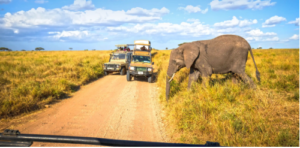
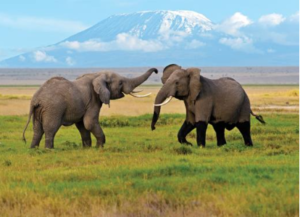
Elephants dominate Tarangire’s identity and provide compelling reasons for including this park in safari in Africa Tanzania itineraries. Dry season populations reach several thousand individuals, with mega-herds sometimes exceeding 300 animals—spectacles rarely witnessed elsewhere in Africa. These elephants rank among the continent’s largest, often carrying substantial ivory that intensive poaching has eliminated across much of Africa. Long-term research conducted here reveals sophisticated elephant societies comparable to primate social complexity—extended matriarchal families maintaining intricate multi-generational relationships, individuals communicating through varied vocalizations including infrasonic calls traveling several kilometers beyond human hearing, and emotional capacities including apparent mourning behaviors when encountering deceased relatives.
The park’s signature baobab trees create a landscape character that distinguishes Tarangire from other African safari destinations. These ancient giants—some exceeding 2,000 years in age—dominate skylines with massive bottle-shaped trunks capable of storing tens of thousands of liters of water. Their grotesque beauty and distinctive silhouettes against African sunsets create photographic opportunities unmatched elsewhere, making Tarangire a favorite among photographers on safari in Africa Tanzania. The trees also provide crucial ecological functions—bark offers emergency elephant nutrition during droughts, cavities shelter numerous African bird species, and their longevity connects current visitors with African landscapes as they existed before European contact with the continent.
Southern Tanzania: Africa’s Remote Wilderness Frontier
The southern circuit offers safari in Africa Tanzania experiences fundamentally different from well-traveled northern routes while maintaining world-class African wildlife viewing. Nyerere National Park protects 30,000 square kilometers of pristine African wilderness centered on the Rufiji River—Tanzania’s largest waterway creating intricate channels, oxbow lakes, and seasonal floodplains supporting exceptional biodiversity. This represents one of Africa’s largest protected wilderness areas, offering activity diversity unavailable in most African safari destinations: traditional game drives encountering elephants, buffalos, and rare African wild dogs; boat safaris along river channels providing unique perspectives on hippos, crocodiles, and spectacular African water birds; and walking safaris with armed rangers allowing intimate wilderness engagement impossible from vehicles.
Ruaha National Park, exceeding 20,000 square kilometers, occupies a critical biogeographical transition zone where eastern and southern African fauna overlap—a positioning creating biodiversity unmatched elsewhere in Africa. The park particularly excels for elephant viewing with populations estimated at 15,000-20,000 individuals, representing one of Africa’s most significant elephant concentrations. The Great Ruaha River creates the park’s lifeline, sustaining African wildlife through brutal eight-month dry seasons when most water sources across the region disappear. Ruaha’s remoteness—requiring charter flights or full-day drives from northern Tanzania—keeps visitor numbers remarkably low, delivering authentic African wilderness experiences increasingly rare in more accessible safari destinations across the continent.
Strategic Planning for Safari in Africa Tanzania
Seasonal Timing for Optimal African Wildlife Viewing
Selecting the ideal season for safari in Africa Tanzania significantly influences wildlife encounters and overall experience quality. The primary dry season from late June through October offers quintessential African safari conditions—minimal rainfall, comfortable temperatures averaging 20-25°C, clear skies ideal for photography, excellent visibility as vegetation dies back, and concentrated wildlife around permanent water sources simplifying animal location. These months coincide with migration herds in northern Serengeti and spectacular Mara River crossings that have become iconic African wildlife imagery. However, this peak season brings premium accommodation pricing often 30-50% higher than low season, maximum tourist numbers at popular viewpoints, and booking requirements often extending 6-12 months in advance for quality lodges.
The green season from November through May presents compelling alternatives frequently overlooked by first-time African safari visitors. November rains transform African landscapes dramatically—brown grasslands turn verdant within days, trees produce fresh foliage, and wildlife disperses widely to exploit abundant resources. Thousands of migratory bird species arrive from Europe and Asia, dramatically increasing avian diversity and creating exceptional opportunities for birding enthusiasts interested in African ornithology. December through February constitutes a “short dry period” offering excellent wildlife viewing with substantially fewer tourists than peak season. The southern Serengeti calving season during these months creates extraordinary predator-prey drama as hundreds of thousands of wildebeest calves attract concentrated lion, cheetah, hyena, and leopard activity—experiences rivaling any African safari destination. Long rains from March through May bring the heaviest precipitation, lowest accommodation prices (sometimes 40-60% below peak season), smallest tourist crowds, and the lushest, most photogenic African landscapes, though some seasonal camps close and occasional road conditions may require itinerary flexibility.
Comprehensive Budget Planning for African Safari Excellence
Understanding realistic comprehensive costs for safari in Africa Tanzania enables proper financial planning and prevents disappointing surprises when receiving final invoices. Daily accommodation rates vary dramatically across the quality spectrum: budget camping safaris utilizing public campsites cost $200-350 per person; mid-range permanent tented camps run $400-700 per person; luxury lodges command $1,000-2,000 per person; ultra-luxury properties featuring private plunge pools, gourmet dining, and exclusive concessions exceed $2,500-3,500 per person. These rates typically include accommodation, all meals, game drives with professional guides, park entrance fees, and most standard activities, but rarely include international flights, visa fees, gratuities, or personal discretionary expenses.
Comprehensive all-inclusive budgets for safari in Africa Tanzania must account for international round-trip flights ($800-2,500 from North America or Europe depending on season, routing, and advance booking), Tanzanian tourist visas ($50-100 for most nationalities, obtainable online or upon arrival), comprehensive travel insurance including medical evacuation coverage essential for remote African locations ($100-300 depending on coverage limits and traveler age), gratuities for guides and camp staff ($100-300 total for a week depending on service quality), and discretionary personal expenses. Realistic week-long mid-range safari in Africa Tanzania totals approximately $7,500-11,000 per person all-inclusive from major international gateways, while luxury experiences typically reach $17,000-32,000+ per person. Budget camping safaris can be accomplished for $5,500-7,500 all-inclusive, demonstrating that authentic African safari experiences remain accessible across various financial situations.
Crafting Ideal African Safari Itineraries
The duration of your safari in Africa Tanzania dramatically impacts both satisfaction and per-day value. Brief three to four-day trips, while economical, involve disproportionate travel time relative to actual wildlife viewing hours, with constant movement between locations preventing meaningful engagement with any single African ecosystem. Five to seven days represents a sensible minimum for quality African safari experiences, typically allowing visits to three or four parks with adequate time for multiple game drives at each location. Standard northern circuit itineraries for safari in Africa Tanzania include Serengeti (2-3 days), Ngorongoro Crater (1 day), and one or two additional parks like Tarangire or Lake Manyara.
Extended safaris of ten to fourteen days enable comprehensive exploration of Africa Tanzania at comfortable paces that enhance rather than exhaust participants. These longer itineraries permit spending multiple days at premier locations, dramatically increasing probabilities for rare sightings and special behavioral observations that define exceptional African safari experiences. Wildlife photographers particularly benefit from extended stays, as optimal lighting conditions and extraordinary animal behavior occur unpredictably—additional days multiply opportunities for capturing exceptional African wildlife imagery. Longer safari in Africa Tanzania itineraries also facilitate combining northern and southern circuits for maximum ecosystem diversity, incorporating Mount Kilimanjaro trekking for those seeking to summit Africa’s highest peak, or adding Zanzibar beach relaxation creating comprehensive African adventures extending beyond pure safari experiences.
Enriching Your Safari in Africa Tanzania
Specialized African Wildlife Activities
A comprehensive safari in Africa Tanzania extends well beyond traditional vehicle-based game drives to include specialized activities that create more immersive African wilderness experiences. Hot air balloon safaris over the Serengeti provide magical aerial perspectives unavailable in most African destinations—launching in pre-dawn darkness and ascending as sunrise illuminates the African landscape in golden hues. From altitudes reaching several hundred meters, the ecosystem’s vast scale becomes tangible—migration herds appear as flowing dark ribbons across golden grasslands, isolated wildlife encounters unfold like theater performances, and the ancient patterns organizing African wilderness reveal themselves. Flights conclude with champagne breakfasts served beneath acacia trees, combining adventure and luxury in celebrations unique to safari in Africa Tanzania. At $550-650 per person, balloon safaris represent significant investments that consistently receive the highest satisfaction ratings from African safari participants.
Walking safaris fundamentally alter how visitors engage with African wilderness during safari in Africa Tanzania. Moving through wildlife habitat on foot, with professional armed rangers ensuring safety, demands heightened awareness that sharpens all senses in ways vehicle-based viewing cannot achieve. Guides teach practical African bush skills—identifying tracks and interpreting their stories, recognizing plant species and understanding their traditional uses, reading behavioral signs in vegetation patterns and soil conditions, and appreciating the intricate ecological relationships binding African species together. The pace slows dramatically compared to vehicle safaris, allowing contemplation of smaller ecosystem components—insects performing complex behaviors, bird species invisible from vehicles, plants exhibiting remarkable adaptations to harsh African conditions, and subtle signs revealing recent animal presence. Night game drives permitted in certain parks reveal Africa’s nocturnal community—active lions transitioning from daytime lethargy to focused hunting, leopards descending from resting spots to patrol territories, hyena clans socializing before dispersing to forage across African landscapes, and smaller carnivores appearing along tracks. Spotlights reveal distinctive eyeshine allowing species identification, while nocturnal sounds create atmospheric richness unique to African nights.
Conservation Impact and Community Development in African Context
Safari tourism plays indispensable roles in Tanzania’s conservation success and provides a replicable model for sustainable African wildlife protection. Tourism revenues exceeding $2.5 billion annually provide powerful economic justifications for maintaining protected areas not just in Tanzania but across Africa as nations observe Tanzania’s success. Park entrance fees collected during safari in Africa Tanzania fund ranger salaries, intensive anti-poaching patrols utilizing modern technology, infrastructure maintenance, and wildlife research programs advancing African conservation science. Tourism employment supports hundreds of thousands of Tanzanians directly and indirectly, creating broad constituencies favoring conservation policies—a model other African nations increasingly emulate.
Responsible safari operators in Africa Tanzania extend their conservation impact well beyond basic park fees and taxes through additional commitments. Leading companies prioritize local employment providing economic opportunities for communities adjacent to wildlife areas, source supplies from nearby communities stimulating local African economies, support educational and health facilities serving communities that coexist with wildlife, fund anti-poaching efforts supplementing government programs, and implement environmental best practices minimizing operational impacts on fragile African ecosystems. Choosing operators with demonstrated conservation credentials ensures your safari in Africa Tanzania spending supports genuine sustainability rather than extractive profit-taking. Individual travelers contribute through mindful behavior during safari in Africa Tanzania—respecting park regulations, maintaining appropriate wildlife distances, preventing habituation and stress, staying on designated roads protecting vegetation, never feeding or touching wild animals, and avoiding littering—all protecting the African ecosystems making safaris possible for current and future generations.
Conclusion
Safari in Africa Tanzania delivers the continent’s most comprehensive, reliable, and spectacular wildlife experiences, setting the standard by which all other African safari destinations are measured. Whether witnessing the Great Migration’s awe-inspiring movement across the Serengeti, observing intricate predator-prey interactions that define functioning African ecosystems, encountering critically endangered species within protected sanctuaries, or simply absorbing the profound tranquility of African sunsets painting endless savannas in impossible colors, Tanzania creates transformative moments that permanently reshape how you understand and value Earth’s natural heritage. The country’s unwavering conservation commitment spanning decades, sophisticated tourism infrastructure balancing wilderness authenticity with modern comfort, and some of Africa’s most spectacular wildlife populations combine to establish safari in Africa Tanzania as the ultimate wildlife experience available on the continent.
Success in planning your safari in Africa Tanzania requires honest assessment of personal priorities, realistic budgeting aligned with desired experience quality, and partnerships with knowledgeable tour operators capable of translating aspirations into achievable African safari itineraries. Tanzania’s remarkable diversity ensures that perfect experiences exist for every traveler type—luxury seekers find world-class lodges rivaling the finest hotels anywhere in Africa, adventure enthusiasts discover authentic bush camping under brilliant African stars, photographers access wildlife in optimal conditions unmatched elsewhere on the continent, families create educational bonding experiences introducing children to African wildlife conservation, and solo travelers find welcoming environments for personal reflection and meeting like-minded adventurers from around the world. Safari in Africa Tanzania answers the deep human longing for landscapes where nature still dominates, where ancient rhythms continue uninterrupted, and where the wilderness reminds us of our own species’ African origins. This irreplaceable wilderness, protected through enlightened policies for current and future generations, awaits your discovery.
Key Takeaways
- Africa’s Premier Safari Destination: Tanzania protects 300,000+ square kilometers (38% of territory) through comprehensive conservation—the continent’s most extensive wildlife protection system establishing Tanzania as Africa’s safari leader
- Unmatched African Wildlife Density: Three million large mammals in the Serengeti ecosystem, 60,000 elephants, 15,000+ lions create daily wildlife encounters exceeding other African safari destinations in quantity and quality
- The Great Migration Hub: Earth’s greatest terrestrial wildlife spectacle involving 1.5 million wildebeest, 200,000 zebras, 300,000 gazelles occurs primarily in Tanzania, making it essential for African safari bucket lists
- Big Five Viewing Excellence: Ngorongoro Crater offers Africa’s most reliable Big Five encounters with 50-60% probability for all five species in single game drives—unmatched across the continent
- Complete Budget Accessibility: Budget camping ($200-350/day), mid-range lodges ($400-700/day), luxury camps ($1,000-2,000/day), ultra-luxury properties ($2,500+/day) accommodate all financial levels while delivering world-class African wildlife viewing
- Year-Round African Safari Opportunities: Dry season (June-October) provides classic African safari conditions; green season (November-May) offers calving drama, lush scenery, and 20-60% cost savings with fewer tourists
- Comprehensive Activity Options: Hot air balloon safaris, walking safaris, boat excursions, night game drives create diverse safari in Africa Tanzania experiences beyond standard vehicle-based viewing
- Conservation Funding Model: $2.5+ billion annual tourism revenue demonstrates how safari in Africa Tanzania funds wildlife protection while supporting communities—a replicable model for African conservation
Frequently Asked Questions
Why choose safari in Africa Tanzania over Kenya, South Africa, or Botswana?
Safari in Africa Tanzania offers decisive advantages over competing African destinations. Compared to Kenya: Tanzania hosts 70% of the Great Migration with less crowding at key events; more extensive wilderness (300,000 sq km vs 47,000 sq km protected); superior infrastructure variety. Versus South Africa: Tanzania provides more authentic wilderness experiences versus South Africa’s fenced reserves; the Great Migration is absent from South Africa; Tanzania offers better Big Five reliability. Against Botswana: Tanzania is more budget-accessible (Botswana emphasizes high-cost/low-volume tourism); greater ecosystem diversity; the migration and calving season spectacles are unique to Tanzania. Tanzania combines Africa’s most extensive conservation network, highest wildlife densities, the Great Migration, superior Big Five viewing, and accommodation across all budgets—advantages no single African competitor matches.
What is the absolute best time for safari in Africa Tanzania?
Optimal timing depends on your African safari priorities. July-October offers peak dry season with excellent general wildlife viewing throughout Tanzania, comfortable temperatures, minimal rainfall, and dramatic Mara River crossings—Africa’s most iconic safari spectacle—though with highest prices (30-50% premiums over low season) and maximum tourists. January-February provides the spectacular southern Serengeti calving season with intense predator action and moderate crowds—considered by many as Africa’s best wildlife viewing period. June and November are excellent shoulder seasons combining good conditions with reasonable pricing and fewer visitors. March-May brings long rains with lowest prices (40-60% discounts), smallest tourist numbers, and lushest African landscapes, though some camps close. First-time African safari visitors typically prefer July-October or January-February for reliability.
How much should I budget for week-long safari in Africa Tanzania?
Comprehensive week-long safari in Africa Tanzania costs including international flights from North America/Europe, all meals, accommodation, activities, park fees, expert guides, visas, insurance, and gratuities vary by accommodation standard: Budget camping safaris total $5,500-7,500 per person all-inclusive. Mid-range tented camp experiences cost $8,000-12,000 per person. Luxury lodge safaris run $17,000-30,000 per person. Ultra-luxury experiences exceed $30,000-50,000 per person. Green season travel (November-May) reduces costs 20-40%. Joining guaranteed-departure small group safaris spreads vehicle costs across participants, lowering per-person expenses $800-1,500. Solo travelers typically pay 50-100% single supplements. While representing significant investments, safari in Africa Tanzania delivers extraordinary value through transformative African wildlife experiences impossible to replicate elsewhere on the continent.
Is safari in Africa Tanzania safe for families with children?
Extremely safe. Tanzania maintains among Africa’s best tourism safety records with rare serious incidents. Wildlife parks implement strict protocols exceeding those in many African countries, and vehicle-based game viewing is very safe when following professional guide instructions. Violent crime against tourists is uncommon, especially in safari areas—Tanzania’s political stability exceeds many African nations. Families with children are warmly welcomed—numerous operators design child-specific African safari programs with age-appropriate activities, educational wildlife components, and suitable accommodations, though some lodges maintain minimum age requirements (typically 6-8 years) for safety and guest experience. Private vehicles work optimally for families, allowing schedule flexibility for children’s needs. With reputable operators and sensible health precautions, safari in Africa Tanzania is safe for all ages.
What vaccinations are required for safari in Africa Tanzania?
Yellow fever vaccination is mandatory for travelers arriving from endemic African countries and strongly recommended for all others visiting Tanzania. Hepatitis A and typhoid vaccinations are advised for virtually all visitors to African destinations. Ensure routine immunizations including tetanus, measles, mumps, rubella, and polio are current. Malaria prophylaxis is essential—all major Tanzanian safari areas fall within malaria transmission zones like most African wildlife regions. Consult travel medicine specialists about appropriate antimalarial medications (atovaquone-proguanil/Malarone, doxycycline, or mefloquine/Lariam). Combine medication with behavioral protection: long sleeves/pants during dawn/dusk, DEET-based repellent, mosquito nets. Comprehensive travel insurance including medical evacuation is strongly recommended for safari in Africa Tanzania and other remote African destinations. Consult qualified travel health professionals 6-8 weeks pre-departure.
What are realistic Big Five viewing expectations?
Safari in Africa Tanzania offers Africa’s best Big Five viewing probabilities. Lions appear regularly across major parks—virtually certain on week-long multi-park safaris (95%+ probability). Elephants are abundant throughout Tanzania with guaranteed sightings (99%+ probability). Buffalo travel in large herds easily spotted in most parks (95%+ probability). Leopards appear with moderate frequency in optimal habitats like Serengeti’s Seronera Valley—approximately 60-70% probability on week-long trips, higher than most African destinations. Black rhinoceros represent the challenge—reliably seen mainly in Ngorongoro Crater with 50-60% sighting probability, significantly higher than most other African locations where rhinos survive. Including Ngorongoro in safari in Africa, Tanzania itineraries dramatically increases Big Five completion odds. Multi-day safaris visiting three or more diverse parks provide best chances for experiencing all five iconic African species.
What camera equipment is necessary for African safari photography?
Professional wildlife photographers on safari in Africa Tanzania use 400-600mm super-telephoto lenses, but quality African safari photographs are achievable with more modest equipment. Cameras with 200-400mm zoom capability capture most subjects adequately. Modern mirrorless cameras with advanced autofocus systems excel at tracking moving African wildlife. Fast shutter speeds (minimum 1/1000 second, ideally 1/2000+ second) effectively freeze action. High ISO capabilities (at least 3200, preferably 6400+) enable shooting during optimal dawn/dusk periods when African wildlife is most active. Quality binoculars (8×42 or 10×42 magnification) are essential for viewing distant wildlife across African landscapes. Bring multiple fully-charged batteries, large-capacity memory cards, lens cleaning supplies, and dust protection for African conditions. Most lodges provide charging facilities. Smartphones work for landscapes and closer subjects but produce significantly inferior wildlife images.
How does Tanzania compare to other top African safari destinations?
Safari in Africa Tanzania consistently ranks superior through multiple comparative metrics. Wildlife density: Serengeti’s 3 million large mammals exceed Kenya’s Maasai Mara, Botswana’s Okavango, or South Africa’s Kruger. Protected area extent: Tanzania’s 300,000+ sq km exceeds Kenya (47,000 sq km), Botswana (170,000 sq km), and South Africa (combined reserves under 100,000 sq km). The Great Migration: Occurs primarily (70%) in Tanzania versus Kenya (30%). Big Five reliability: Ngorongoro’s 50-60% rhino sighting probability exceeds most African locations. Budget accessibility: Tanzania offers a complete range from budget camping to ultra-luxury, while Botswana emphasizes only high-end; South Africa’s fenced reserves limit wilderness authenticity. Political stability and mature tourism infrastructure exceed many African competitors. Tanzania’s combination establishes it as Africa’s most complete safari destination.